
In our last post we introduced the gut brain connection and the remarkable two way communication highway that runs between your child’s gut and their brain. Today we are going deeper into one of the most fascinating aspects of that connection – how your child’s gut health influences their mood and emotional wellbeing every single day.
The Serotonin Story – Setting the Record Straight
You may have heard that approximately 90 percent of the body’s serotonin is produced in the gut, and that is true. But there is an important detail that often gets lost in the retelling. The serotonin made in the gut acts primarily outside the brain – it helps regulate digestion, gut motility, platelet function, and bone metabolism. It does not cross the blood brain barrier, which means it is not the serotonin that shapes your child’s mood directly.
So how does the gut influence mood? Through other pathways that are, honestly, even more interesting.
How the Gut Actually Talks to the Brain
The gut and its microbes communicate with the brain through several distinct routes working together.
The nervous system provides a direct line. The vagus nerve runs between the gut and the brain, carrying signals in both directions. Gut bacteria can influence the messages traveling along this nerve, which is one of the clearest ways the microbiome reaches the brain.
The immune system plays a significant role as well. A large portion of your child’s immune system lives in and around the gut. When the microbiome is balanced and well fed it helps keep inflammation in check. When it is disrupted, inflammatory signaling increases, and chronic inflammation is associated with changes in mood and behavior.
Microbial metabolites may be the most important pathway of all. When beneficial bacteria ferment the fiber your child eats, they produce compounds called short chain fatty acids. These compounds circulate through the body, support the integrity of the gut lining, help regulate immune activity, and can influence brain function. In other words, the bacteria are producing chemical messengers, and fiber is what makes that possible.
What the Research Actually Shows
This is an active and evolving area of science, and we want to be honest with you about where it stands. Researchers have found associations between the composition of the gut microbiome and mood, anxiety, and behavior – in both children and adults. Much of the strongest mechanistic work comes from animal studies, and human research is still developing.
What we can say with confidence is this: a diverse, well nourished gut microbiome is associated with better overall health, lower inflammation, and healthier development. What we cannot say is that a particular food will fix a particular mood. The relationship is real, but it is a relationship rather than a lever.
If your child is struggling with persistent anxiety, sadness, or emotional difficulties, please talk with your pediatrician. Nutrition supports mental health – it does not replace mental health care.
What Disrupts the Connection
Several common factors can disrupt the gut microbiome and the signaling pathways it supports.
A diet high in processed foods, sugar, and refined grains is one of the biggest disruptors. These foods feed less beneficial bacteria, starve the helpful ones, and contribute to gut inflammation.
Antibiotics, while sometimes medically necessary, significantly disrupt the microbiome by affecting both harmful and beneficial bacteria. If your child needs antibiotics, ask your pediatrician about supporting their gut during and after treatment.
Low dietary diversity matters too. A diverse microbiome requires a diverse diet. Children who eat the same narrow range of foods tend to have less diverse microbial communities.
How to Support the Connection Every Day
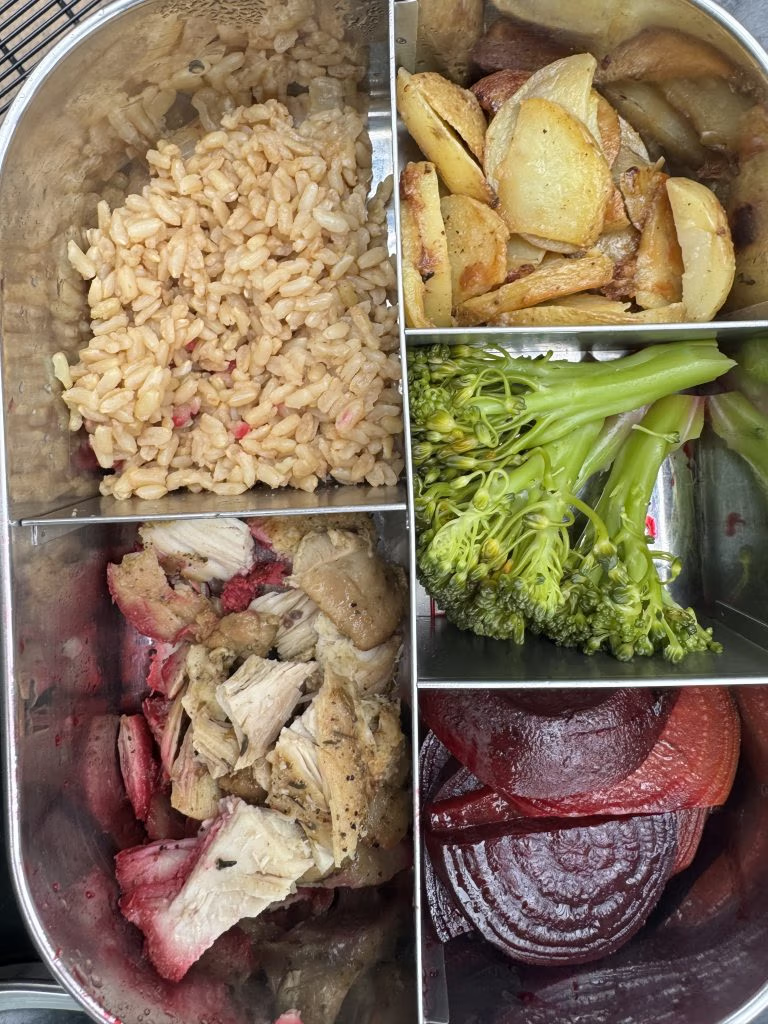
Make fiber the foundation. Fruits, vegetables, beans, lentils, and whole grains feed the bacteria that produce short chain fatty acids – the compounds doing much of the communicating. This is the single most impactful thing you can do.
Add fermented foods regularly. Organic whole milk kefir, plain whole fat Greek yogurt, and mild fermented vegetables introduce beneficial bacteria and add diversity to the microbiome.
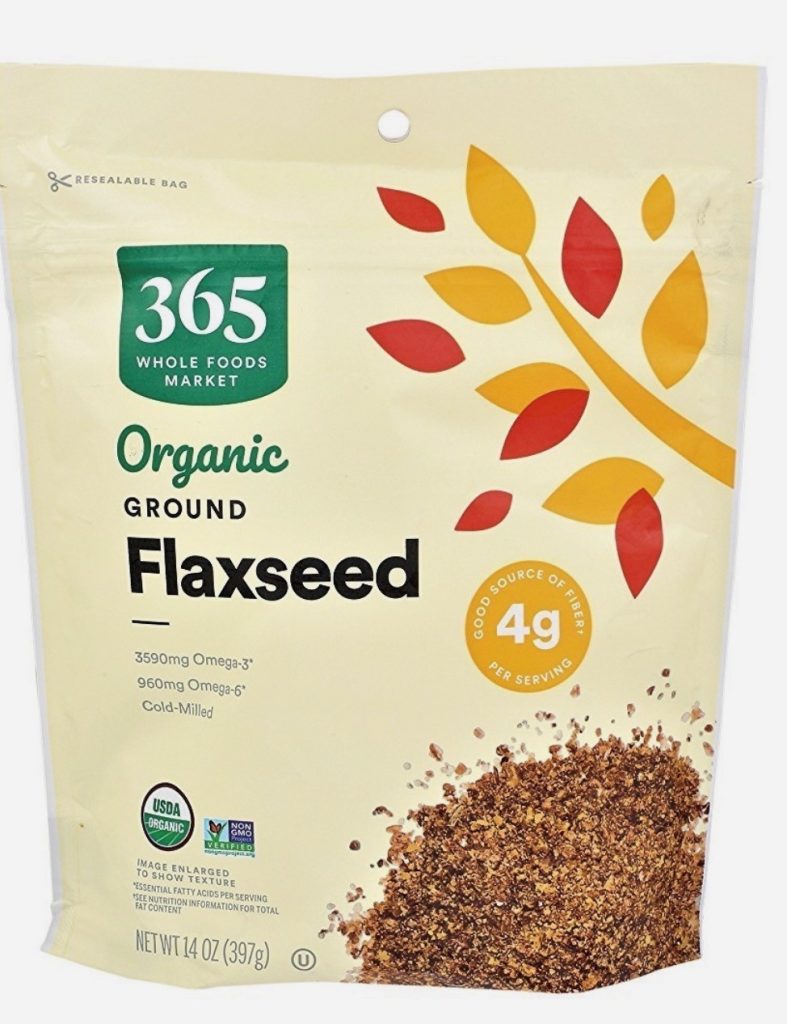
Include omega-3 rich foods. Chia seeds, hemp seeds, flaxseeds, and fatty fish like salmon help reduce inflammation throughout the body, including the pathways connecting gut and brain.
Reduce ultra processed foods and added sugars where you can. Not perfectly – just mostly.
Eat together calmly. The communication runs both ways, and a relaxed mealtime supports healthy digestion.
The Brainy Bellies Bottom Line
The gut and the brain really are in constant conversation – just not quite in the way the popular version of the story suggests. It happens through nerves, immune signaling, and the compounds your child’s bacteria produce from the fiber they eat. That last part is where you come in. Every fiber rich meal gives those bacteria what they need to do their work. It is a quieter story than the headlines, but it is the true one, and it still points to the same place: feed the gut well, and you are supporting the whole child.
Stay tuned for our next post where we look at how gut health relates to focus, attention, and behavior.