We have written about chia seeds and hemp seeds, and both earn their place in your pantry. Flax belongs in that lineup too, but it comes with a catch that most parents do not know about – and getting it wrong means your child receives almost none of the benefit.
Whole Flaxseeds Pass Right Through
Flaxseeds have a hard, smooth outer shell that the human digestive system cannot break down. If your child eats whole flaxseeds, most of them travel through the digestive tract intact and come out the other side unchanged. The omega-3s, the lignans, and much of the nutrition inside stay locked in the shell.
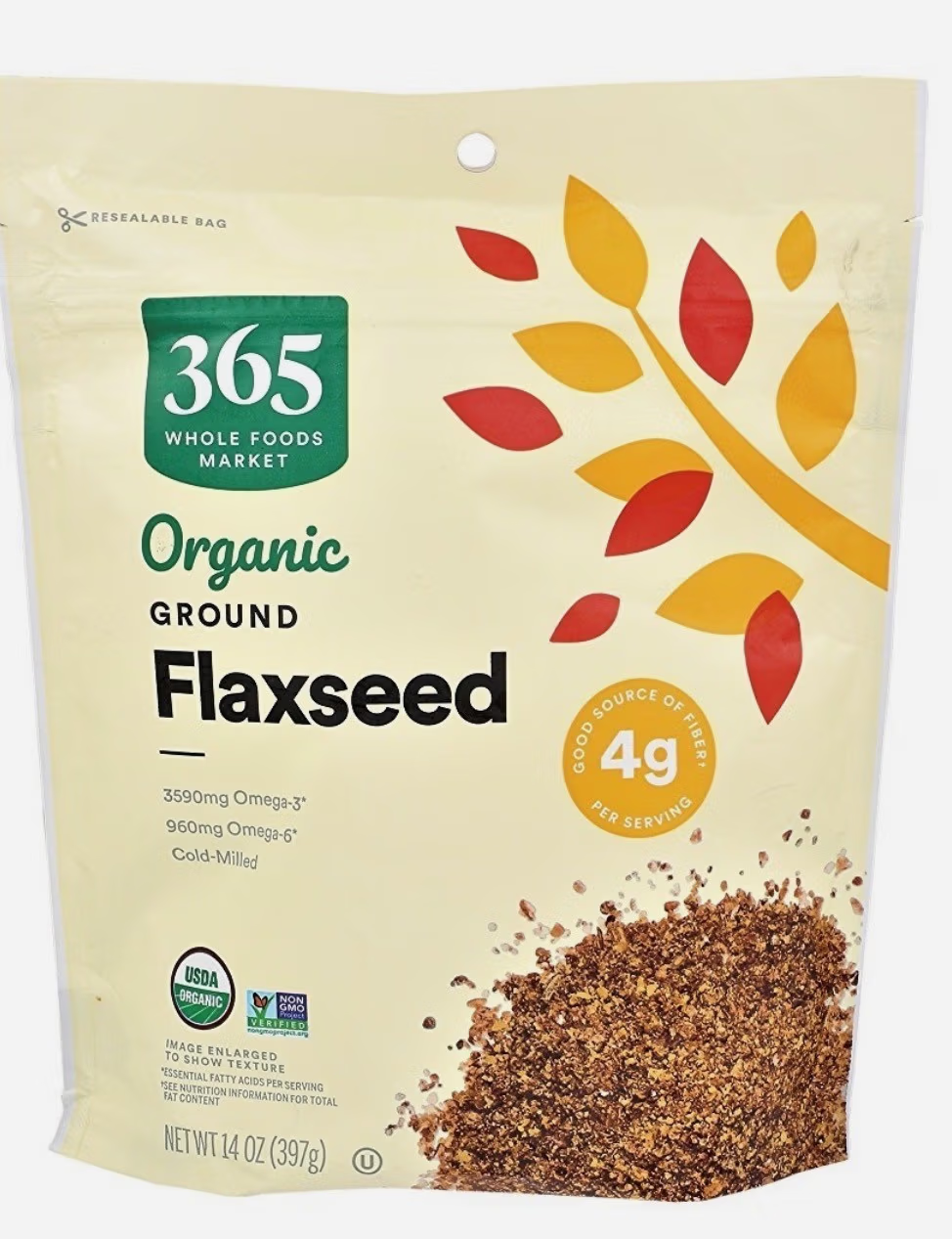
This is the single most important thing to know about flax. Sprinkling whole flaxseeds on yogurt looks healthy, but nutritionally very little is happening. Ground flaxseed – sometimes sold as flax meal – is what actually delivers.
What Ground Flax Brings to Your Child’s Gut
Flax is exceptional for fiber. Two tablespoons of ground flaxseed deliver approximately 4 grams, and unusually it provides both types your child needs. Soluble fiber forms a gel that slows digestion and feeds beneficial bacteria. Insoluble fiber adds bulk and keeps things moving, which makes flax genuinely useful for children who struggle with constipation.
Flax is also one of the richest plant sources of ALA omega-3 fatty acids, which help reduce inflammation and support brain development.
And flax contains more lignans than nearly any other food. Lignans are plant compounds that act as both antioxidants and prebiotics – gut bacteria ferment them into beneficial compounds, which is another way flax feeds the microbiome rather than just passing through it.
Storage Matters More Than You’d Think
Ground flax goes rancid quickly. Those delicate omega-3 fats begin to oxidize once the seed is opened up, and heat and light speed it along. Rancid flax tastes bitter and loses much of its nutritional value.
Keep ground flaxseed in an airtight container in the fridge or freezer, always. If you have a bag sitting in a warm pantry, it is probably past its best. Some families prefer to buy whole seeds and grind small batches in a coffee grinder or blender as needed, which gives the freshest result and is cheaper too.
How Much Do Children Need?
One to two tablespoons of ground flaxseed per day is a good amount for children. Start with a teaspoon if your child is not used to much fiber and build up gradually – a sudden jump in fiber can cause gas or discomfort. Make sure they are drinking enough water too, since fiber needs fluid to do its work comfortably.
Easy Ways to Add It
Ground flax has a mild, slightly nutty flavor that disappears into almost anything. Stir it into oatmeal or yogurt. Blend it into smoothies. Add it to pancake or muffin batter. Mix it into power balls or oatmeal bars. Stir it into soups or a bowl of quinoa.
Flax, Chia, or Hemp?
All three are excellent and they do slightly different jobs. Chia is the highest in fiber and forms that thick gel that keeps children full. Hemp is the highest in protein and is a complete protein, rare among plants. Flax is the richest in lignans and the most helpful for regularity.
You do not have to choose. Keeping all three on hand and rotating them gives your child a broader range of nutrients and supports a more diverse microbiome – and diversity is what a thriving gut is built on.
The Brainy Bellies Bottom Line
Buy it ground or grind it yourself, keep it in the fridge, and stir a spoonful into something your child is already eating. That is the whole practice. Just remember the rule that makes all the difference: whole flaxseeds pass through, ground flaxseed nourishes.