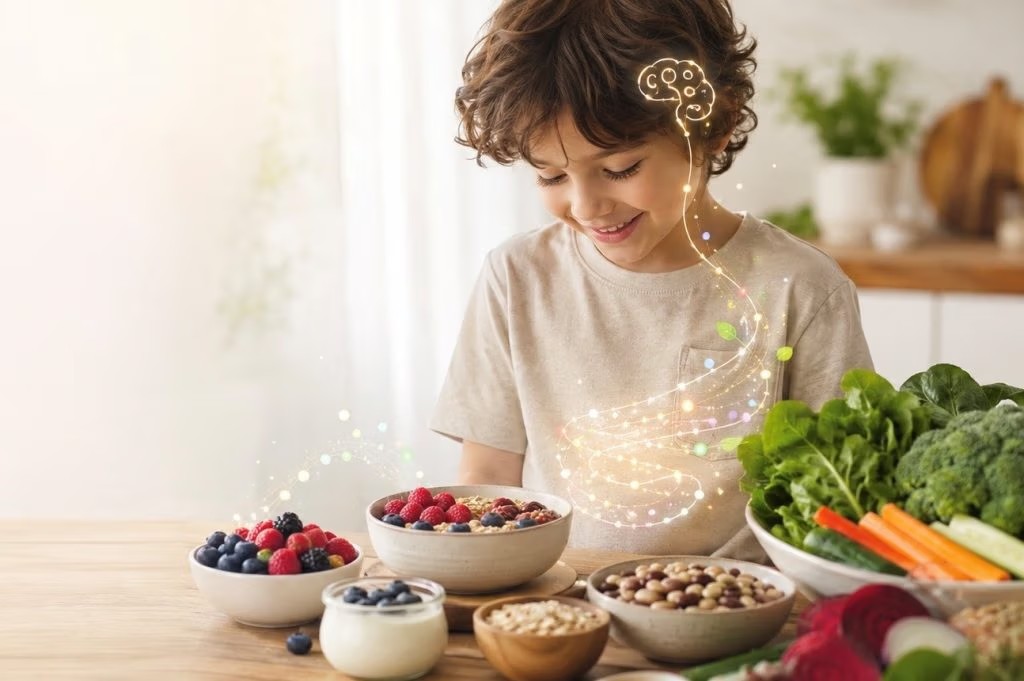
Here at Brainy Bellies we talk a lot about the trillions of microorganisms living inside your child’s gut and how nourishing them is one of the most powerful things you can do for your child’s health. But today we want to tell you about another microbiome – one that lives beneath our feet and quietly determines the quality of nearly every fruit and vegetable your family eats. We are talking about soil. And once you understand the connection between healthy soil and your child’s healthy gut, you will never look at the produce section – or your local farmers market – the same way again.
Soil is Alive – Just Like Your Child’s Gut
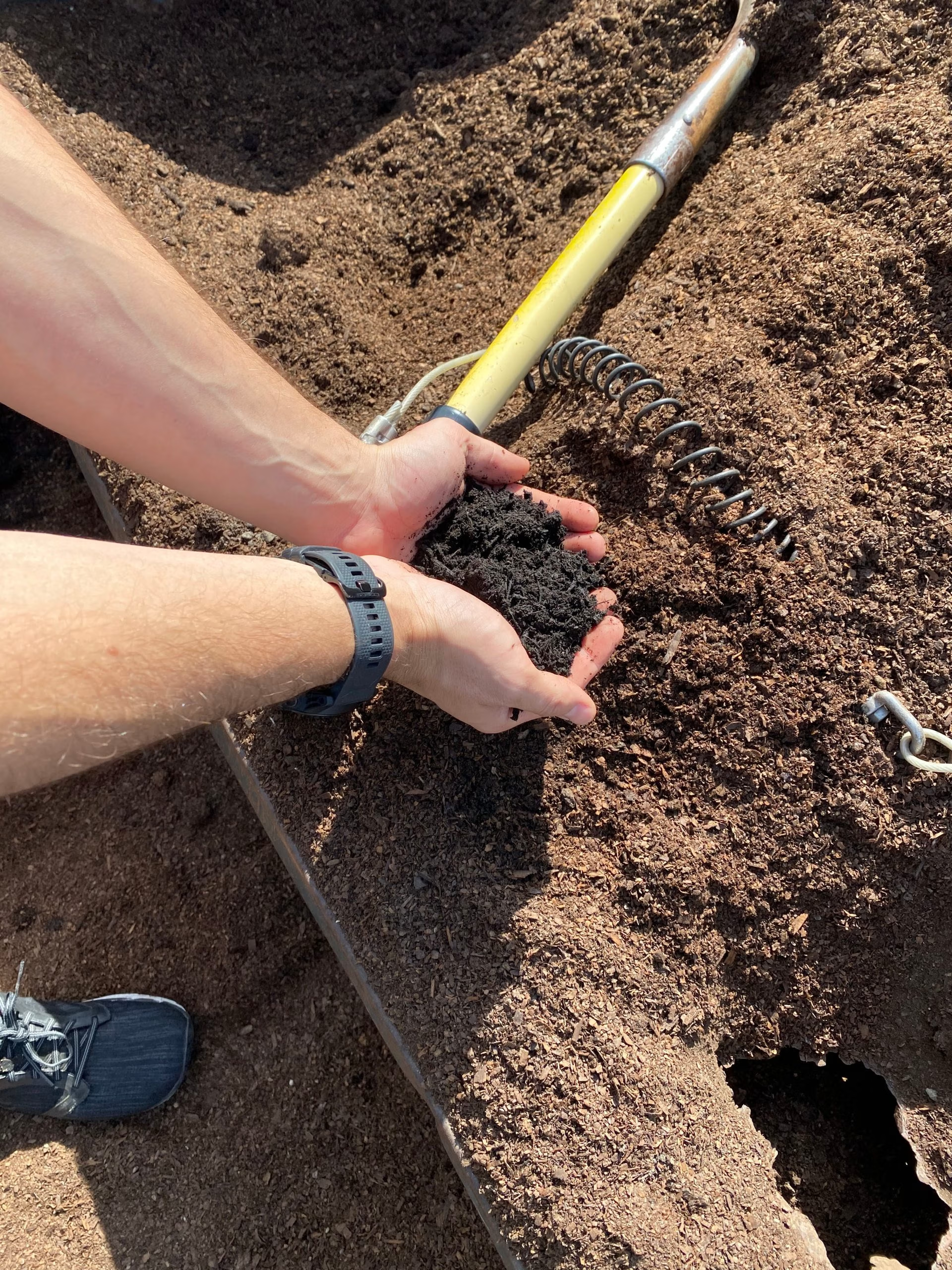
Here is something remarkable. A single teaspoon of healthy living soil contains more microorganisms than there are people on Earth – billions of bacteria, fungi, and other microbes working together in a complex living ecosystem. Sound familiar? It should. Healthy soil is essentially a microbiome, working in almost exactly the same way your child’s gut microbiome does.
Just as the beneficial bacteria in your child’s gut break down food, produce nutrients, and protect against harmful invaders, the microorganisms in healthy soil break down organic matter, produce nutrients for plants, and protect crops from disease. Plants grown in rich living soil have access to a full spectrum of minerals and nutrients delivered by their microbial partners. It is one of the most beautiful parallels in nature – a thriving microbiome beneath the ground growing food that feeds the thriving microbiome inside your child.
Why Soil Health Affects the Food on Your Table
The health of the soil directly influences the nutritional quality of the food grown in it. Produce grown in rich, living, well nourished soil tends to be more nutrient dense – containing more vitamins, minerals, and antioxidants than produce grown in depleted lifeless soil.
Unfortunately much of the soil used in large scale industrial farming has been significantly depleted over decades of intensive practices. Heavy use of synthetic fertilizers, pesticides, and herbicides, along with monocropping – growing the same single crop year after year – strips soil of its natural microbial life and mineral richness. Synthetic fertilizers can keep plants growing in depleted soil, but they cannot replicate the full spectrum of nutrients that living soil provides. The result is that some research suggests the fruits and vegetables of today may contain fewer nutrients than the same fruits and vegetables grown decades ago.
In other words – two apples can look identical on the outside while being meaningfully different on the inside, depending on the soil they were grown in.
How Organic and Regenerative Farmers Build Living Soil
This is where local organic farmers truly shine. Organic and regenerative farmers cannot rely on synthetic chemicals, so instead they work with nature to build healthy living soil. Their practices often include composting which returns organic matter and beneficial microbes to the soil, crop rotation which prevents nutrient depletion and keeps the soil ecosystem diverse, cover cropping which protects and feeds the soil between growing seasons, and minimal tilling which preserves the delicate underground networks of fungi and microorganisms.
These practices do not just avoid harmful chemicals – they actively build richer, more alive, more nutrient dense soil year after year. And that living soil grows more nourishing food for your family.
The Soil and Gut Connection
Here is where it gets even more fascinating. Some emerging research suggests that exposure to diverse environmental microbes – including those from healthy soil – may actually benefit our own microbiomes, especially in children whose immune systems and gut ecosystems are still developing. Fresh local produce from living soil, time spent outdoors, gardening with your kids, and even a little dirt under the fingernails may all play a role in building a more diverse and resilient microbiome.
This is one more reason we love involving children in gardening and visits to local farms – they are not just learning where food comes from, they may be nourishing their microbiomes in the process!
Why This Makes the Farmers Market Worth It
When you buy from a local organic farmer you gain something the grocery store can never offer – you can actually ask about the soil. Ask your farmer how they grow their food. Do they compost? Do they rotate crops? How do they manage pests? Most small local farmers are passionate about their soil and love talking about it – many use organic and regenerative practices even if they cannot afford the formal organic certification.
Local produce also tends to be fresher – often picked within a day or two of the market rather than traveling for a week or more. Fresher produce from living soil means more nutrients making it to your family’s table and more flavor that makes kids actually want to eat their vegetables. There is a reason a farmers market strawberry tastes completely different from a conventional grocery store one!
Simple Ways to Bring Soil Health Into Your Family’s Life
Shop your local farmers market when you can and get to know the farmers who grow your food. Ask about their growing practices – composting, crop rotation, and pesticide free growing are all great signs. Choose organic when shopping at the grocery store, especially for the Dirty Dozen, since organic standards protect and build soil health. Start a small garden with your kids – even a few pots of herbs or cherry tomatoes teaches children where food comes from and gets their hands in the soil. Let your kids get a little dirty – gardening, playing outside, and connecting with nature may support their developing microbiomes in ways science is only beginning to understand.
The Brainy Bellies Bottom Line
Healthy soil grows nutrient dense food, and nutrient dense food builds a healthy gut microbiome and a strong growing brain. It is all connected – the microbiome beneath our feet and the microbiome inside our children. When you choose food from farmers who care for their soil, you are not just buying fruits and vegetables – you are investing in the entire living chain that nourishes your child from the ground up. So next weekend, take the kids to the farmers market, meet the people who grow your food, and ask them about their soil. Your child’s gut – and their growing brain – will thank you for it!